Essential Support for Safe Patient Transfers
Choosing the correct patient lift sling is critical for safety, comfort, and effective transfers. The right sling supports the patient properly, prevents injury, and makes transfers easier for caregivers. Our comprehensive selection includes full-body slings, U-slings, toileting slings, mesh and padded options, and specialty slings from BestCare and Hoyer, compatible with most patient lifts.
Skip to Product List →
Why the Right Sling Matters
Using an inappropriate sling can result in:
- Patient discomfort or pain during transfers
- Unsafe positioning that could lead to falls
- Pressure points causing skin breakdown
- Difficulty completing transfers
- Caregiver frustration and increased transfer time
The correct sling provides proper support, distributes weight evenly, positions the patient safely, and makes transfers smooth and dignified for everyone involved.
Understanding Sling Types
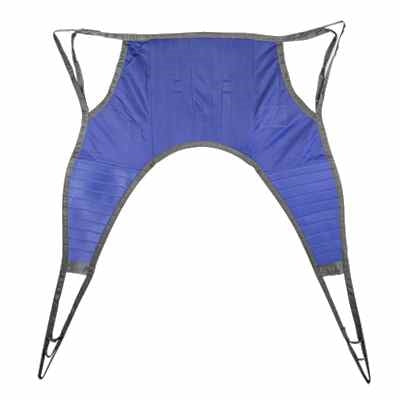
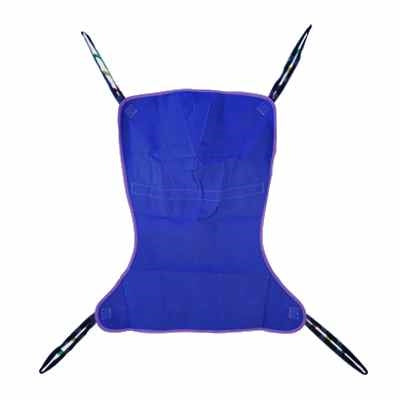
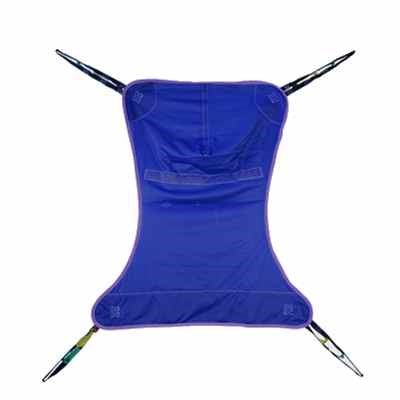
Full-Body Slings (Most Common)
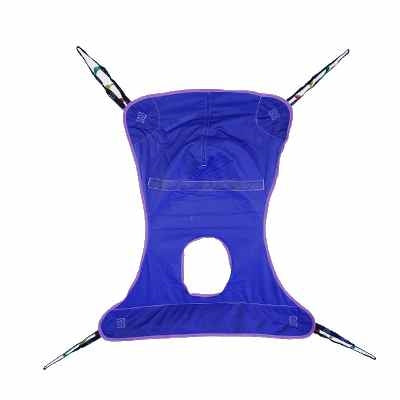
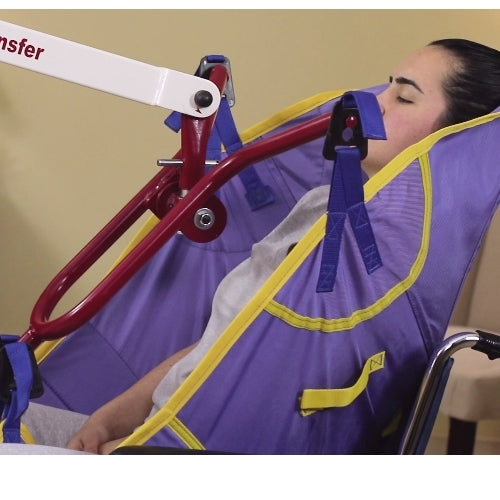
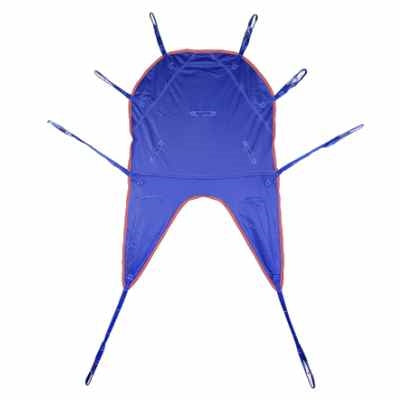
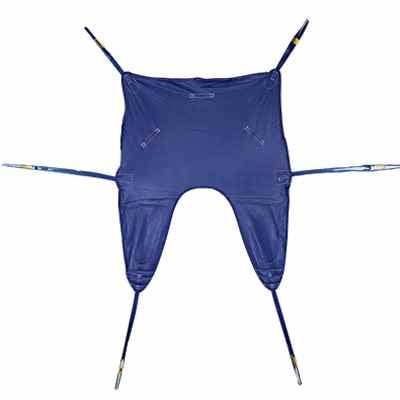
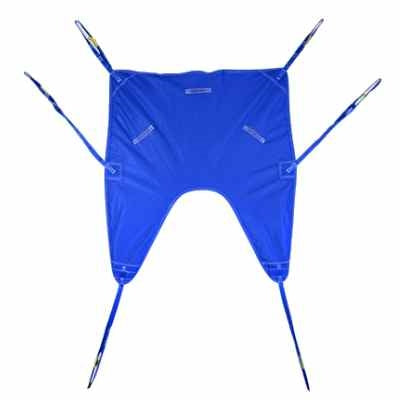
Full-body slings provide comprehensive support from head to knees, making them the most versatile sling type. These slings support the patient's torso, back, and thighs, distributing weight across a large surface area. Full-body slings are ideal for patients with limited or no weight-bearing ability, those who cannot sit unsupported, and general-purpose transfers between bed, chair, and wheelchair.
Available in two leg configurations:
-
Undivided Leg (U-Sling): Fabric goes under both legs as one piece, easier to position, best for patients who can't reposition legs independently
-
Divided Leg: Separate openings for each leg, provides better positioning control, preferred for patients who need toileting access or better leg support
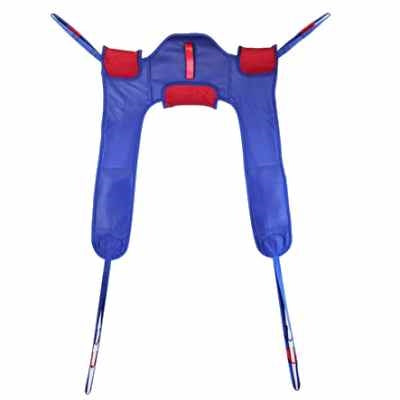
U-Slings (Hammock-Style)
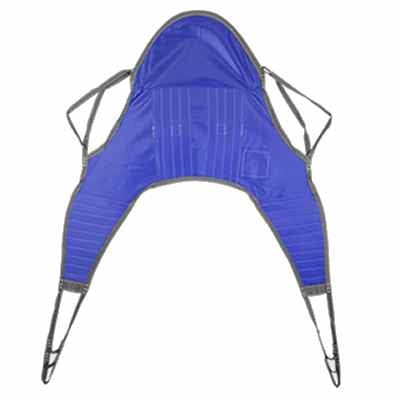
U-slings are named for their U-shaped design that cradles the patient from shoulders to mid-thigh. These versatile slings work well for patients who can hold their head up independently and have some upper body control. U-slings are popular for frequent transfers because they're quick to position and comfortable for patients who don't require full head support.
Head Support Options:
-
Without Head Support: For patients with good head and neck control
-
With Head Support: Extended back panel supports head for patients with limited neck control
Toileting Slings (Commode/Hygiene Slings)
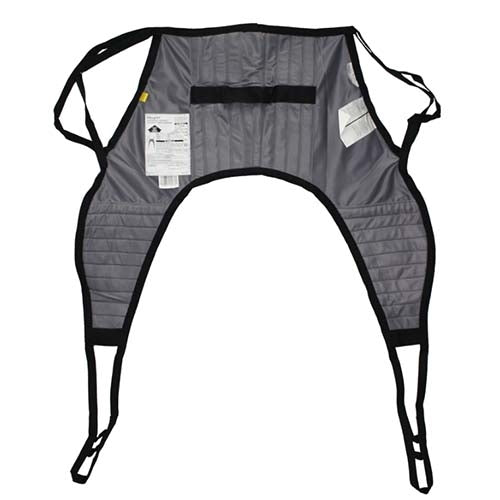
Toileting slings feature an open bottom design allowing bathroom access while the patient remains in the sling. These specialized slings eliminate the need to remove the sling for toileting, maintaining dignity and reducing transfer frequency. The open design also facilitates hygiene care and medical procedures.
Toileting slings are essential for patients who require frequent bathroom access, have limited mobility making sling removal difficult, or need the sling to remain in place throughout the day.
Stand Assist Slings
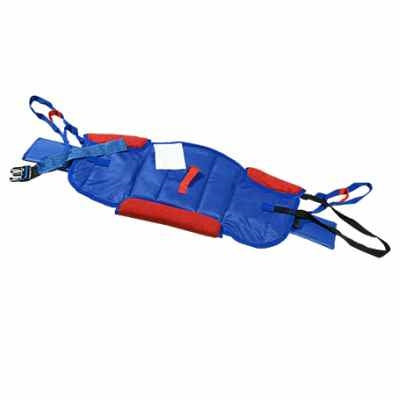
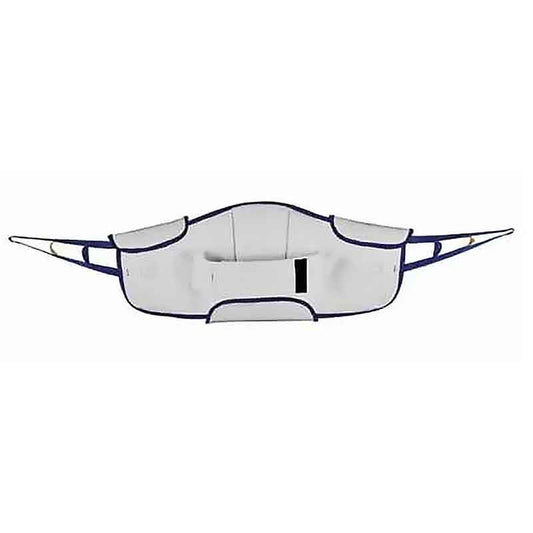
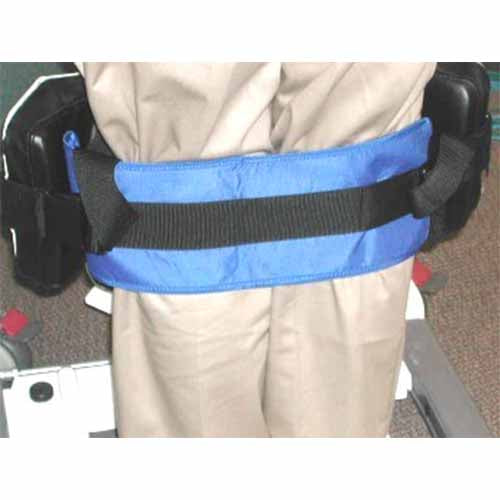
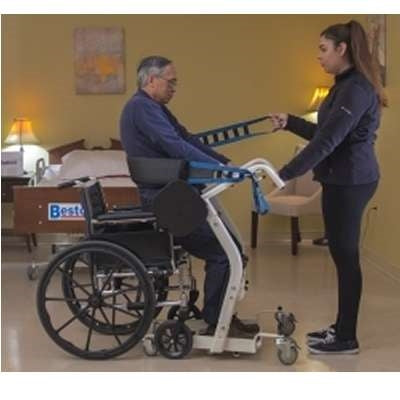
Designed specifically for stand assist lifts (not full-body lifts), these slings provide torso support while leaving legs free. Stand assist slings feature padded waist belts and handles, help patients transition from sitting to standing, and are only appropriate for patients with some weight-bearing ability.
Specialty Slings
Bathing Slings: Quick-dry mesh construction allows use in showers or over tubs. These slings maintain support while water drains through the mesh material.
Bariatric Slings: Reinforced construction with higher weight capacities (typically 500-700 pounds) and wider dimensions to properly support larger patients.
Amputee Slings: Modified designs that account for missing limbs, providing proper weight distribution for patients with amputations.
Repositioning Slings: Low-friction material designed to help reposition patients in bed rather than for transfers to different surfaces.
Material Types: Mesh vs. Padded
Mesh Slings
Best For: Frequent transfers, bathing, patients who perspire heavily, or situations requiring quick-dry properties
Advantages:
- Air circulation reduces heat and moisture buildup
- Can be used during bathing and showering
- Dries quickly if it gets wet
- Lighter weight and more compact
- Easy to see through for proper positioning
- Generally lower cost
Considerations:
- Less comfortable for extended hanging time
- May leave temporary marks on skin
- Provides less padding for bony patients
Padded Slings
Best For: Patients who remain in slings between transfers, extended hanging time, individuals with fragile skin, or maximum comfort needs
Advantages:
- Extra padding provides superior comfort
- Better for patients with limited body fat or bony prominences
- Reduces pressure points during transfers
- Can be left under patient between transfers
- Softer material feels more comfortable
Considerations:
- Cannot be used for bathing (except specialized bath models)
- Takes longer to dry if it gets wet
- Slightly higher cost than mesh
- Bulkier to store
Sling Sizing Guide
Proper sling sizing is essential for safety and comfort. Slings are typically sized by patient weight, but height and body proportions also matter.
Standard Size Guidelines:
-
Small: Up to 120-150 lbs, petite builds
-
Medium: 120-200 lbs, average adult builds
-
Large: 200-300 lbs, larger or taller individuals
-
Extra Large: 300-450 lbs, tall or heavy builds
-
Bariatric: 450-700+ lbs, requires reinforced construction
Important: These are general guidelines. Always check manufacturer specifications. When between sizes, consider patient height and body distribution. A tall, thin patient might need a larger size for length despite lower weight.
Attachment Points: 2-Point, 4-Point, and 6-Point
Slings attach to the lift's spreader bar using attachment points (loops, straps, or clips):
2-Point Slings
Two attachment points (one on each side). Primarily used with older Hoyer lifts or specific lift models. Less common in modern applications.
4-Point Slings
Four attachment points (two at shoulders, two at legs). Most common configuration. Provides good support and positioning control. Compatible with most modern patient lifts.
6-Point Slings
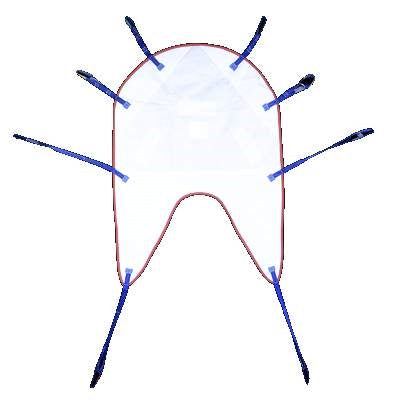
Six attachment points (two at head/shoulders, two at mid-back, two at legs). Provides maximum positioning control and support. Better weight distribution for bariatric patients. Prevents sling from pulling at shoulders during transfer.
Universal Compatibility: Many lifts accept both 4-point and 6-point slings. Always verify your lift's spreader bar configuration before purchasing.
Sling Compatibility
Most slings are designed to be compatible across brands:
-
BestCare Slings: Work with BestCare lifts and most Hoyer-compatible lifts
-
Hoyer Slings: Industry standard compatibility, work with most lift brands
-
Universal Slings: Designed to work across multiple lift brands
Verify Compatibility: Check your lift's spreader bar type (4-point or 6-point cradle) and attachment method (loops, clips, or chains). When in doubt, contact us for compatibility confirmation.
Choosing the Right Sling
Answer these questions to identify the best sling for your needs:
Patient Assessment
- Can the patient hold their head up independently? (If no, choose sling with head support)
- Can the patient bear any weight on their legs? (If yes, stand assist sling; if no, full-body sling)
- Does the patient need frequent toileting? (If yes, consider toileting sling)
- How often will transfers occur? (Frequent = mesh; infrequent = either)
- Will the patient remain in the sling between transfers? (If yes, padded)
- Does the patient have fragile skin or bony prominences? (If yes, padded)
- What is the patient's weight and height?
Transfer Needs
- Where are you transferring from/to? (bed to chair, chair to toilet, etc.)
- Will the sling be used for bathing? (If yes, must be mesh)
- How long will the patient hang in the sling during transfers?
- Do you need multiple slings for different purposes?
Care and Maintenance
Cleaning
Most slings are machine washable in warm water with mild detergent. Air dry or tumble dry on low heat. Avoid bleach and fabric softeners which can degrade sling materials. Clean slings regularly, especially after toileting accidents or when soiled.
Inspection
Before each use, inspect slings for:
- Tears, rips, or fraying in fabric
- Worn or damaged attachment points
- Loose or broken stitching
- Fading or material degradation
Replace immediately if: You find any damage, stitching is compromised, material shows significant wear, or the sling has been overloaded beyond its weight rating.
Lifespan
With proper care, slings typically last 1-3 years depending on frequency of use. Facilities with daily use should inspect monthly and replace annually. Home care settings with occasional use may extend lifespan to 2-3 years with proper maintenance.
Disposable Slings
Single-use disposable slings are available for:
- Infection control in healthcare facilities
- Patients with compromised immune systems
- Temporary or short-term use
- Situations where laundering is impractical
Disposable slings cost more per use but eliminate laundering requirements and cross-contamination risks.
Safety Guidelines
-
Never exceed weight rating: Check both sling and lift capacity; use the lower rating
-
Position correctly: Ensure sling is centered under patient with even distribution
-
Check attachments: Verify all loops or clips are properly secured before lifting
-
Use appropriate size: Too small causes pressure points; too large provides inadequate support
-
Match sling to lift: Only use slings designed for your lift type (full-body vs. stand assist)
-
Keep extras: Have backup slings available for laundering rotation
Common Sling Selection Scenarios
Scenario 1: Bed-Bound Patient Needing Repositioning
Recommend: Padded full-body sling with head support. Padded material is comfortable for leaving under patient between uses, head support accommodates limited neck control.
Scenario 2: Wheelchair User Needing Bathroom Transfers
Recommend: Mesh toileting sling. Open bottom allows bathroom access without sling removal, mesh dries quickly if wet.
Scenario 3: Active Patient Requiring Occasional Assistance
Recommend: Mesh U-sling without head support. Quick to position, comfortable, patient can hold head independently.
Scenario 4: Bariatric Patient, 550 lbs
Recommend: Bariatric 6-point padded sling. Weight capacity handles patient safely, 6-point attachment distributes weight better, padding prevents pressure points.
Scenario 5: Daily Bathing Required
Recommend: Mesh bathing sling plus second padded sling for dry transfers. Mesh sling for shower use, padded sling for comfort during other transfers.
Warranty and Returns
Slings are considered hygiene products and typically cannot be returned once opened, except for defects in materials or workmanship. Inspect slings upon delivery before opening packaging. Manufacturer warranties typically cover defects for 90 days to 1 year.
Free Shipping & Expert Sling Selection
All patient lift slings ship free within the continental United States. Selecting the right sling can be confusing with so many options. Our medical equipment specialists can help you choose based on your patient's specific needs, transfer requirements, and lift compatibility.
Call 800-998-4703 Monday through Friday, 7am-5pm EST to discuss your sling needs.
Not sure which sling is right? We can walk you through the selection process. Tell us about your patient's abilities, what surfaces you're transferring between, how often transfers occur, and what lift you're using. We'll recommend the appropriate sling type, size, and material to ensure safe, comfortable transfers.
Need help with sizing? If you're between sizes or have questions about fit, we can provide guidance based on patient measurements and body type. Getting the right size is crucial for safety, and we're here to help you get it right the first time.
parts: