
-
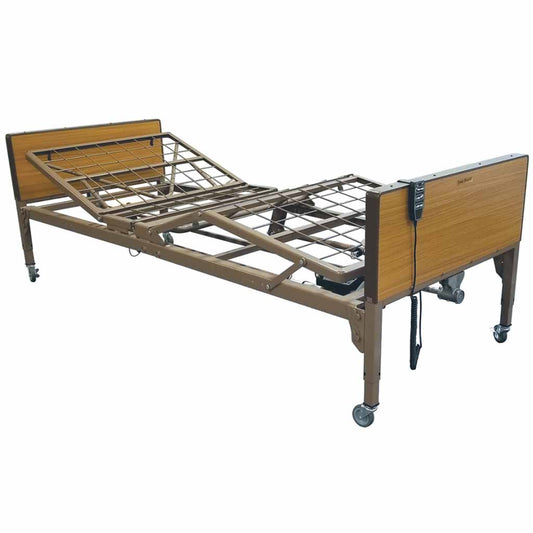
Century T3000 Full Electric Hospital Bed
Vendor:TuffcareRegular price$1,635.00
Sale price -
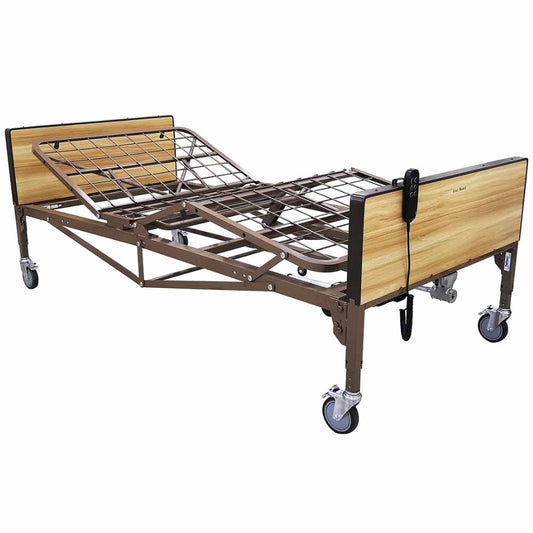
Century 42" Full-Electric Hospital Bed
Vendor:TuffcareRegular price$2,475.00
Sale price -
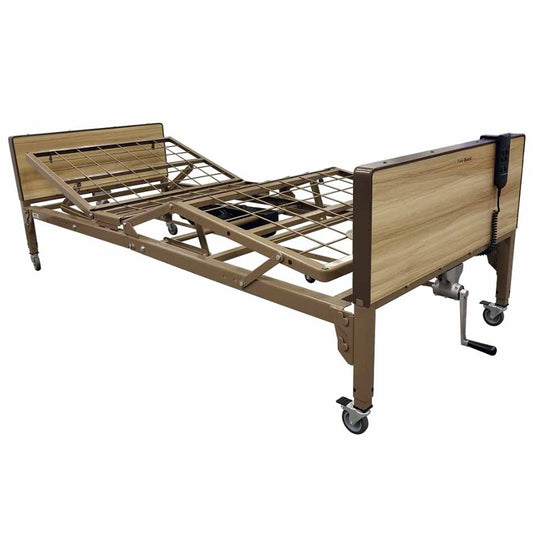
Century T2010 Semi-Electric Hospital Bed
Vendor:TuffcareRegular price$1,395.00
Sale price
Find the Right Hospital Bed
Hospital beds vary in size, positioning features, height range and weight capacity. Explore the options below to find the type of bed that best fits the user's care needs, available space and level of caregiver assistance.
Standard Hospital Beds
Full-electric and semi-electric hospital beds for home care, recovery and everyday positioning.
Shop Standard Hospital Beds →Long-Term Care Beds
Advanced care beds offering low deck heights, expanded positioning options and features designed for extended use.
Shop Long-Term Care Beds →Bariatric Hospital Beds
Heavy-duty hospital beds with wider sleep surfaces and higher weight capacities for additional room and support.
Shop Bariatric Hospital Beds →Hospital Bed Alternatives
Residential-style adjustable and Hi-Low beds for people who want positioning and height adjustment with a more traditional appearance.
Shop Hospital Bed Alternatives →Hospital Bed Mattresses
Explore foam, pressure-relief and therapeutic support surfaces designed for hospital and home-care beds.
Shop Hospital Bed Mattresses →Hospital Bed Buying Guides
Learn about bed sizes, positioning, height ranges, weight capacities and other features before choosing a bed.
Read Our Bed Buying Guides →Compare Hospital Bed Types
The right type of hospital bed depends on the level of adjustment, available space, weight capacity and care requirements. Use this comparison as a starting point, then review the specifications of individual bed models before making a selection.
| Bed Type | Adjustment | Width Options | Good Choice When... |
|---|---|---|---|
| Standard Hospital Beds | Full-electric or semi-electric, depending on model | Standard and wider models available | You need practical powered positioning for everyday home care, recovery or caregiver assistance. |
| Long-Term Care Beds | Full-electric with additional positioning features on many models | Multiple widths available, depending on model | Extended care calls for lower height ranges, additional positioning options or more advanced bed features. |
| Bariatric Hospital Beds | Full-electric on many APM models; features vary by bed | Wider sleep surfaces and higher-capacity options | The user requires additional bed width, higher weight capacity or a heavy-duty bed frame. |
| Residential Hi-Low Beds | Powered head and foot positioning; Hi-Low models also provide powered height adjustment | Twin through larger residential sizes | You want adjustable positioning with a more traditional residential-bed appearance. |
Bed dimensions, weight capacities, height ranges and positioning features vary by model. Always review the individual product specifications before ordering.
How to Choose a Hospital Bed for Home Care
Choosing a hospital bed starts with how the bed will be used, the amount of assistance the user needs and the space available in the home. Understanding a few basic features can make comparing hospital beds much easier.
1. Consider the Type of Adjustment
Full-electric hospital beds use powered controls to adjust the head, foot and bed height. Semi-electric beds typically provide powered head and foot positioning with manual height adjustment. Powered height adjustment can be especially useful when caregivers need to change the working height of the bed.
2. Check the Bed Height Range
Compare both the minimum and maximum deck height. A lower position may be useful when getting into or out of bed, while raising the mattress platform can provide a more convenient working height for caregivers during everyday care.
3. Choose the Correct Width and Weight Capacity
Standard hospital beds are commonly about 36 inches wide, but wider and higher-capacity beds are available when additional space or support is needed. Always compare the manufacturer's stated weight capacity and dimensions with the needs of the intended user.
4. Think About Transfers and Caregiver Access
Consider how the user transfers to and from the bed and whether a wheelchair, patient lift or other transfer equipment will be used. The room should provide enough clearance for caregivers and any equipment that needs to approach the bed.
5. Select a Compatible Mattress and Accessories
Hospital beds require a mattress that fits the bed platform correctly. Depending on the user's needs, options may include foam mattresses or more specialized pressure-management surfaces. Bed rails, assist devices and other accessories should also be verified for compatibility with the specific bed model.
6. Measure the Room Before Ordering
Check the bed's overall dimensions rather than relying only on mattress size. Allow additional room for side rails, controls, caregivers, transfer equipment and movement around the bed. Doorways and the delivery path should also be considered.
Need Help Choosing?
Hospital beds can look similar while differing considerably in height range, capacity, positioning and accessory compatibility. If you're unsure which model fits your situation, All Points Medical can help you compare the options before you order.
Contact All Points Medical